
Islamic End Times, Armageddon, and the Hope of Christ’s Return (A Scripture-Driven Look)
Are we witnessing a convergence of prophetic signs, both inside and outside the Church? That is the thesis. The program surveyed headlines and claims about Islamic apocalyptic beliefs, rising global conflict, and the Bible’s end-time prophecies about Israel and the nations. The point is not panic. The point is readiness. What follows is a simple, Scripture-first walk through what was taught, how it contrasts with Islamic expectations, and why the return of Christ is still our sure hope. As we move, we will define terms, cite texts, and ask what obedience looks like now. The central claim is clear: the Bible gives prophecies to watch, and Christ will bring the story to its just conclusion.

Islamic Apocalyptic Claims and the Name “Dabiq”
First, what is Dabiq, and why did it matter to ISIS? Dabiq is a small town in northern Syria. ISIS named its magazine after this town to signal a prophetic ambition. In some Islamic traditions, an end-time battle is expected near that location. That is why the title carried weight in recruitment, morale, and narrative framing.
- Dabiq has been explained in detail by analysts who track ISIS propaganda and theology. See this brief analysis, Why is Syrian town Dabiq important for IS?
- For a deeper look at the claimed “final battle” in northern Syria, read ISIS fantasies of an apocalyptic showdown in northern Syria.
- For context on how ISIS connected its messaging to the Mahdi and end-times themes, see Islamic State, Dabiq, the Mahdi and the end-times.
What was taught on the program? It stated that certain hadiths and Sunni traditions point to a climactic battle around Dabiq. It also quoted from Islamic seminaries and leaders who speak of a Mahdi, a world revolution, and a global rule of Islam. The claim is sweeping: Islam triumphant over all religions through end-time conflict, with forced conversions as a feature, not a bug. Not every Muslim believes this, but ISIS used this strain of thought to justify aggression.
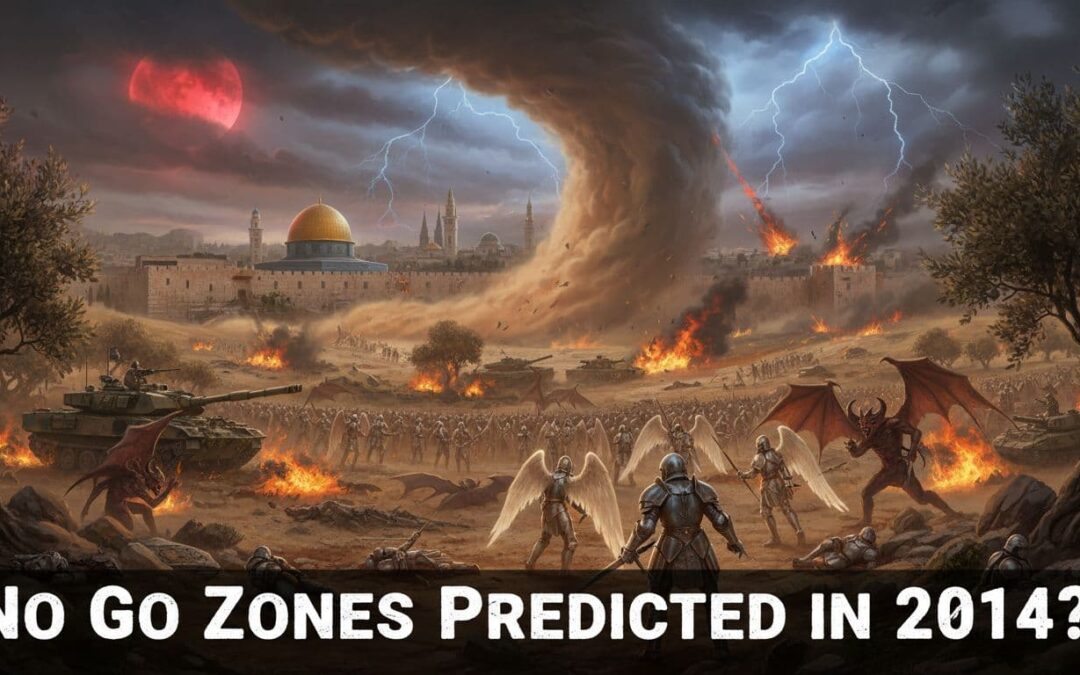
Here we make a careful contrast. Christian prophecy does not predict Armageddon in Syria. Scripture locates the final conflict in connection with Jerusalem and the surrounding land. And the Bible’s message about the Lord’s return centers on Christ saving, judging, and reigning in righteousness.
For broader context on how ISIS framed futures thinking, see the strategic brief, How the Islamic State sees the future.
What Does the Bible Say About the End?
We move now to the text itself. Several passages framed the teaching:
- Isaiah 17:1, about Damascus: “Damascus… will become a heap of ruins.” This prophecy concerns the capital of Syria and is often cited when conflict engulfs that region.
- Zechariah 14:2, about Jerusalem: “I will gather all nations against Jerusalem to battle.” This is a key Armageddon marker.
- Revelation 1:7, about the Second Coming: “Behold, He comes with clouds, and every eye shall see Him.” The return is public and visible.
- Revelation 11:18, about the end of war: He comes to “destroy the destroyers of the earth.” Christ ends the final conflict.
The point is simple. The Bible directs our eyes to Israel, Jerusalem, and the return of Jesus. It names nations, gives directions, and outlines a sequence.
Three Invasions That Culminate in Armageddon
A central claim taught was that there are three major invasion waves against Israel that build toward Armageddon. Below is a simple summary before we expand each phase.
| Invasion Phase | Key Scriptures | Principal Actors | Claimed Outcome |
|---|---|---|---|
| 1) Northern Coalition | Ezekiel 38–39; Daniel 11:40; Psalm 83:4–7 | “Gog of Magog,” allied Islamic nations | Coalition attacks Israel; massive losses; months of burial in the land |
| 2) Kings from the East | Revelation 9:14–18; 16:12; Daniel 11:44 | Eastern armies crossing Euphrates | A third of mankind killed; huge 200 million figure noted |
| 3) All Nations at Jerusalem | Zechariah 14:2; Revelation 11:18; Luke 1:32–33 | Global siege of Jerusalem | Christ returns, stops the war, delivers Israel, and establishes His reign |
Phase One: The Northern Coalition
Ezekiel 38–39 lays out a northern confederacy. The teaching identified “Gog of Magog,” with names like Meshech and Tubal. An Arab or Islamic alignment appears in the list of allied peoples. This is not a small raid. It is an invasion with the stated goal, “Let us cut them off from being a nation” [Psalm 83:4]. The prophecy says the attackers suffer devastating losses. It records seven months of burial and a cleanup effort that involves the populace [Ezekiel 39:12–13].

Phase Two: The Kings from the East
Next, Daniel 11:44 and Revelation 16:12 speak of movement from the East and the drying up of the Euphrates. The program linked this to Revelation 9:14–18, which mentions a 200 million force and a third of humanity perishing through fire, smoke, and sulfur. The language evokes modern weapons. The point made was sobering. The scale of death is beyond any prior war.
Phase Three: All Nations at Jerusalem
Finally, Zechariah 14:2 says all nations gather against Jerusalem. That is the Bible’s Armageddon arc. Not Syria, but Jerusalem. In that day, Revelation 11:18 makes clear that the Lord intervenes. He stops the destruction. He judges the wicked. He rewards His servants. And He reigns. Luke 1:32–33 ties the promise to the throne of David and the city of Jerusalem. The conclusion is not chaos. The conclusion is Christ.
Warnings of a Wider War and Global Alignments
The program cited the warning by Pope Francis about a third world war. The message was not to assign blame, but to say that indifference invites disaster. It also highlighted the growing cooperation between Russia and China, including joint military drills. The point is trend awareness. When rival blocs tighten ties, and flashpoints multiply, watch and pray with your Bible open.
Claims About Caliphate, Sharia, and “No-Go” Zones
Another thread was the push by some Islamist groups to declare a global caliphate. A caliph is a successor-ruler who claims authority after Muhammad. A caliphate is the territory or dominion under that rule. The teaching noted reports about areas in parts of Europe where police face resistance and where claims of Sharia compliance appear. It also aired a critique of harsh Sharia penalties and the promise of sensual rewards for martyrs. These statements were presented as documented concerns, not as a blanket claim about every Muslim. The pastoral caution was clear. When law becomes selective and parallel systems are enforced, national cohesion suffers, and justice becomes uneven.
One World Government: Seven Heads and Ten Horns
The program then turned to the Biblical symbols of “seven heads” and “ten horns.” Passages include Daniel 2; Daniel 7:7–8, 20, 24; Revelation 12:3; 13:1; and 17:3, 7, 10, 12, 16. The case made was that:
- The “seven” can be viewed as historic empires that afflicted Israel: Assyria, Egypt, Babylon, Medo-Persia, Greece, Rome, and a final phase of revived Roman influence.
- The “ten horns” picture a final confederation. Historically, some researchers tied this idea to modern proposals that map the world into ten regions. The program referenced the Club of Rome’s ten-region model as suggestive. The claim was not that this model fulfills prophecy by itself, but that it resembles what prophecy describes.


Here is the pastoral note. Prophecy nudges us to watch patterns, not to set dates. It is fair to ask how believers should treat refugees, nations, and neighbors while holding to Biblical convictions about the end. Scripture commands love of the outsider and calls for justice. For a thoughtful study on how Torah ethics intersect with New Testament hope, see Loving the Outsider in Biblical End Times Context.
Texts That Orient Our Hearts
Several passages deserve to sit on our hearts as we read the news:
- Revelation 1:7, He comes with clouds. The return is visible.
- Revelation 11:18, He ends the war-makers. The return is decisive.
- Zechariah 14:2, All nations gather. The pressure is real.
- Isaiah 56:5, He gives Israel an everlasting name. The covenant stands.
- Luke 1:32–33, He reigns on David’s throne. The kingdom is literal and lasting.
- Philippians 2:10–11, Every knee bows. The confession is universal.

The message is not fear. It is faith. The message is not surrender. It is steadfastness.
How Should We Live Now?
We do three simple things.
- We watch with open Bibles. God’s Word sets the map and the milestones.
- We walk in holiness and neighbor-love. We share the Gospel with gentleness and truth.
- We wait in hope. We expect Jesus to keep His promises.
The teaching closed with a clear invitation to call on the name of the Lord. That is the right end to any prophetic study. The good news is still good. Christ died for our sins. He rose. He will return. Whoever calls on His name will be saved.
Conclusion: Prophecy, Pressure, and Peace
We began with a question. Are we living in a time of prophetic convergence? The program pointed to Dabiq, Damascus, Jerusalem, and great-power alignments. The Bible points to the return of Christ. Hold both truths in mind, but let Scripture have the final word. Read, pray, and stand ready. Above all, fix your eyes on the Blessed Hope.