
by George | Jun 26, 2026 | Uncategorized
We naturally cultivate public trust when we can see who is speaking. We feel the floor shift when a report leans on anonymous sources and leaves us with a voice but no face. That missing face matters more than most people think. It changes the tone of a story, the...

by George | Jun 25, 2026 | Uncategorized
Most press releases breaking news efforts never actually reach the headlines. They only transform into top stories when a newsroom identifies a compelling narrative, verifies the details quickly, and decides that their readers need the information immediately. This...

by George | Jun 24, 2026 | Uncategorized
When the public consumes fact checks viral stories, the process rarely fails because the facts are hard to find. They fail because the frame disappears. A fact check can be technically correct and still get flattened into something misleading once the headline,...

by George | Jun 23, 2026 | Uncategorized
We do not lose local news trust all at once. It slips away when readers keep seeing the same gaps, fewer reporters, blurrier labels, and stories that feel imported instead of home-grown. When a school board meeting gets summarized by wire copy or a neighborhood...
by George | Jan 21, 2026 | Uncategorized
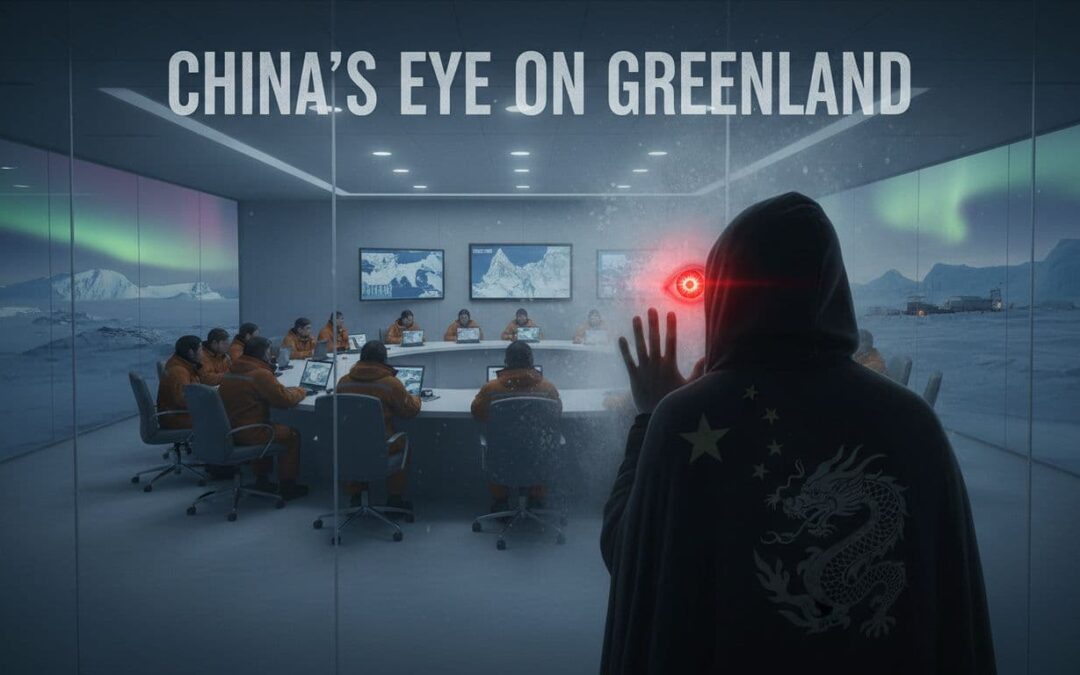
China and Greenland: Why Beijing Cares, What It Wants, and Why It Keeps Getting Stuck Picture a map in your mind. High above North America, past Canada’s Arctic islands, there’s a massive stretch of land covered in ice and rock. That’s Greenland, an autonomous...