

When the public consumes fact checks viral stories, the process rarely fails because the facts are hard to find. They fail because the frame disappears.
A fact check can be technically correct and still get flattened into something misleading once the headline, method, date, or original claim is stripped away. That is where a lot of confusion starts.
We do not need to distrust the process of a fact check. We need to read the analysis in full, rather than relying on a cropped badge pasted onto a post, as this is the only way to truly separate fact from fiction. The mechanics of that loss show up in a few predictable places.
Key Takeaways
- The Compression Problem: Fact checks often lose their nuance when converted into screenshots or memes, stripping away the essential methodology and context required to understand the verdict.
- Speed vs. Accuracy: Misinformation spreads significantly faster than corrections, meaning many audiences form opinions based on viral claims long before a fact check even reaches them.
- Beyond the Label: A verdict like "true" or "false" is an oversimplification; readers must prioritize the supporting evidence and analysis over the badge itself to truly grasp the validity of a claim.
- Active Verification: Readers should treat viral fact-check snippets as leads rather than final answers, taking the time to trace original wording, dates, and full methodology on credible websites.
Why speed breaks context
Misinformation usually moves first. Corrections move later. That gap matters more than people want to admit.
Research on how misinformation spreads shows how quickly false or incomplete information moves before people have time to verify it, which leaves the correction playing catch-up. This trend often fuels the rise of fake news, as the initial shock of social media posts dictates the narrative long before a fact check can gain traction. By the time a verification appears, many readers have already formed an opinion from the original post, the reposted screenshot, or the caption around it.
That is not a small timing problem. It changes how people receive the truth.
Fact checking also asks for more work than a viral post does. A good check has to trace the original wording, compare sources, test the date, and explain the limits of the evidence. Viral claims ask for none of that. They ask for a reaction.
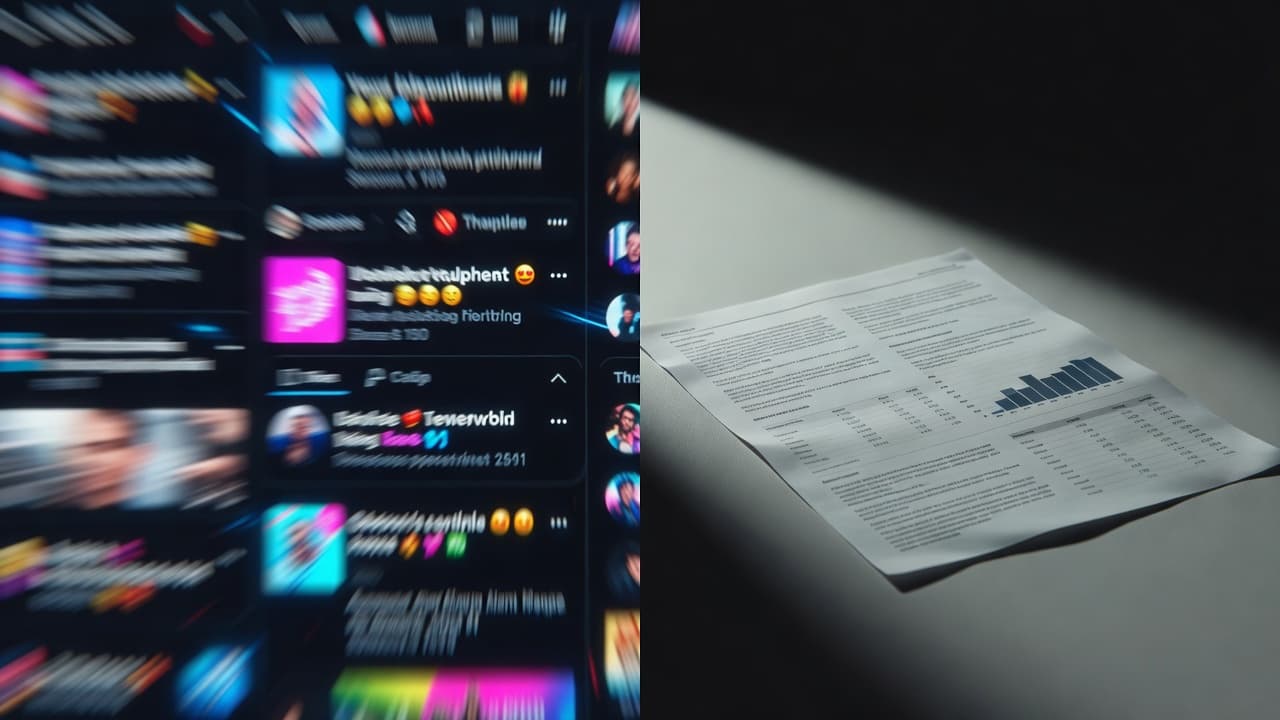
When a post becomes a screenshot, the context gets smaller. When it becomes a meme, it gets smaller again.
A fact check can be right and still be misunderstood.
That is why fact checks on viral stories often look harsher or simpler than the original claim. A label like "true" or "false" is easy to share. It is also easy to misread. A nuanced verdict can quickly lose its effectiveness when debunking viral claims, as the essential supporting details are often stripped away by the time the message reaches its audience.
What disappears in the repost
A reposted fact check usually keeps the verdict and drops the reasoning. That is where the trouble starts.
A strong fact check is not just a label. It is a chain of decisions, often navigating the complex spread of disinformation, and each link matters. The original claim may have been narrowed, paraphrased, or lifted out of a longer argument. The check may have focused on one sentence, one image, or one date range. None of that survives a screenshot very well. Readers can avoid these pitfalls by utilizing reliable fact check tools to verify the full chain of evidence rather than relying on social media snippets.
Here is the difference in plain view:
| What gets lost | Full fact check | Viral repost | Why it matters |
|---|---|---|---|
| Exact wording | The claim is quoted or closely paraphrased | The claim is shortened | Small wording changes can change meaning |
| Timeframe | The date or period is clear | The date is missing | Numbers and conditions can change over time |
| Method | Sources and process are explained | Only the verdict remains | Readers cannot test the conclusion |
| Scope | The fact check says what it covers | The claim is made to sound broader | A narrow point gets treated like a sweeping one |
| Uncertainty | Limits are spelled out | Confidence looks absolute | Partial evidence gets turned into certainty |
A structured fact-checking approach, similar to those championed by the International Fact Checking Network, helps keep those pieces visible. Misinformation as a Harm lays out how separating the claim, the evidence, and the interpretation reduces confusion. That separation sounds basic. Online, it is hard to preserve.
The missing parts are not decoration. They are the reason the verdict makes sense.
If a fact check says a post is misleading because it used one cherry picked week, the repost may simply say false while ignoring the nuance of the original baseless claims. If it says an image is authentic but the caption is wrong, the screenshot may turn that into debunked. If a claim is only partly true, the repost can flatten it into an all or nothing fight.
The result is familiar. People argue over the label and never reach the method.
Why accuracy and understanding are not the same
A fact check can be accurate and still fail in circulation. That sounds like a contradiction, but it is not.
Accuracy answers one question. Understanding answers another. A check may correctly show that a quote was missing a line, a chart was stretched, or a clip was posted without its original date. If someone shares only the verdict, though, the audience may decide the truth or fiction of the story has been settled when only one slice has been addressed.
That is a weak point in many viral discussions. The summary becomes the story. The story becomes a badge. The badge becomes a substitute for reading.
This shows up across politics, science, and public health. The National Academies report on science misinformation notes how incomplete framing can shape the beliefs of social media users even when a claim is not fully false. When editorial standards are ignored in the race for engagement, the same pattern appears in political posts, war clips, and election chatter. A technically accurate fact check can still be misunderstood if the audience never sees the original claim, the time window, or the method behind the verdict.
We should be careful here. This is not an argument against fact-checking. It is an argument against pretending a verdict is a full explanation.
The real problem is compression. Social platforms reward the shortest version of the truth. Screenshots strip out the footnotes. Captions skip the caveats. Comments fill the silence with whatever the crowd already wants to believe.
That is why a fact check can be both correct and poorly understood. The label lands fast. The context arrives late, if it arrives at all. We must prioritize nuance if we are serious about combating misinformation.
How to check a viral fact-check screenshot
When we see a viral fact-check post, we should treat it like a clue rather than a final answer. A few quick checks can help you verify claims and determine whether the screenshot reflects the full picture.
- Find the original claim.
Read the full post, video, or quote that was checked. If the screenshot only shows the verdict, you are already missing essential information. - Look for the exact wording.
Small changes matter. Words like "some" become "all," or "this week" becomes "always." A trimmed quote can point the check in the wrong direction. - Check the date and scope.
Ask what period the fact check covers. A claim about one event is not the same as a claim about a trend. - Read the method.
Good checks explain where the evidence came from and what they did not verify. If you look at recent fact checks, you will notice that if the methodology is absent, the screenshot is doing too much work. - Separate labels from reasons.
"False," "misleading," and "missing context" are not the same verdict. When viewing the latest fact checks, remember that we should not treat these labels as if they are interchangeable. - Trace images and clips back to their source.
Viral media often travels with the wrong caption. If the image or video is the primary focus, the source matters as much as the rating.
A screenshot can still be useful, but it can also be incomplete enough to mislead. The safest habit is to visit an official fact-checking site to verify fake news rather than simply reading past the badge.
Frequently Asked Questions
Why do fact checks lose their meaning when shared on social media?
Fact checks are often reduced to simple "true" or "false" badges when turned into screenshots or memes. This compression removes the critical evidence, scope, and limitations that explain why a specific conclusion was reached.
If a fact check is accurate, can it still be misleading?
Yes, a fact check can be technically correct but misleading if the context is stripped away. If a user sees only a label without the accompanying explanation, they may misinterpret the scope of the claim or apply a narrow finding to a broader situation.
How can I verify if a viral fact check is telling the full story?
Instead of relying on a screenshot, visit the original source of the fact check to read the full report. Pay close attention to the specific timeframe, the exact wording being evaluated, and the methodology used to reach the conclusion.
Is it better to ignore viral fact checks altogether?
No, you should treat them as a starting point rather than a final verdict. Use them as a clue to conduct your own quick research by locating the original claim and comparing it against the provided analysis to see if the "badge" reflects the full context.
Conclusion
The fastest version of a story is rarely the fullest one. That is why fact checks lose context so easily once they are cut loose from the original false claims, the methodology, and the specific timeframe.
The solution is not cynicism. It is better reading. When we look for the full wording, the evidence, and the limits of the analysis provided by credible sources, we stop treating a viral repost like a final verdict.
A fact check does not lose its value because it is complex. It only loses its value when we turn an informative fact check into a simple, misleading slogan.